Health Data Policy into Practice
A TEHDAS2 and HL7 Vulcan stakeholder forum
On 9 October 2025, TEHDAS2 and HL7 Vulcan bring together experts, professionals, and decision-makers from across Europe and beyond to discuss the future of secondary use of health data. The forum will explore the implementation of the European Health Data Space (EHDS) and foster international dialogue on data-driven innovation in health.
When? 9 October 2025, 08:30 – 17:00 (CEST). Online stream begins at 09:00.
Where? Copenhagen, Denmark, at Scandic Sluseholmen, Molestien 11, 2450, or online.
Please note! The event location has changed from Scandic Sydhavnen to Scandic Sluseholmen. The new location is within a 20 minute walk from the original location. Updated information will be sent to registered participants during August.
For whom? The event is open to all stakeholders interested in health data policy and practice, including policymakers, regulators, data holders, researchers, clinicians, industry, patient organisations, and technology developers.
Why attend? The forum offers a unique platform for dialogue among stakeholders from government, healthcare, research, and industry. It aims to build a shared understanding of how to put health data policies into action and how to enable the trustworthy reuse of health data for research, innovation, regulation, and policymaking.
This forum will:
- facilitate a broad stakeholder dialogue on the secondary use of health data;
- explore the practical steps needed to implement the European Health Data Space with the TEHDAS2 guidelines and technical specifications;
- provide a global perspective through HL7 Vulcan’s involvement, connecting EU efforts with international standards and developments.
How to attend? Attendance is free, but advance registration is required. You may choose to attend either onsite or online – please indicate your preference in the registration form.
Kindly note that onsite participation in Copenhagen is subject to limited capacity. Due to popular demand, the registration deadline for onsite participation has been extended to 17 September 23:59 (CEST). After this date, your registration will be considered binding.
The event will feature two separate programme tracks following the opening addresses and the first plenary session. Onsite participants are kindly asked to indicate their preferred parallel tracks when completing the registration form.
Programme (CEST, Copenhagen time)
More speakers will be announced shortly – stay tuned!
| 8:30 | Registration and coffee Onsite participants are required to register upon arrival. |
| 9:00 | OPENING ADDRESS Dorte Bech Vizard, Deputy Permanent Secretary, Ministry of the Interior and Health of Denmark Marco Marsella, Director Digital, EU4Health and Health systems modernisation, Directorate General for Health and Food Safety (DG SANTE), European Commission This introductory session sets the stage for the event by highlighting the priorities of Denmark’s EU Presidency and including a welcoming address from the European Commission. It provides key insights into the overarching themes of the day. |
| 9:45 | SESSION1: Towards a global use of health data Introduction: Markus Kalliola, Programme Director, The Finnish Innovation Fund Sitra Sandy Vance, President and Founder, Counterpoint Solutions Panellists: Natasha Azzopardi-Muscat, Director, Division of Health Systems, World Health Organization/Europe Jesper Kjær, Global Director for Public Private Partnerships, Novo Nordisk Marco Marsella, Director Digital, EU4Health and Health systems modernisation, Directorate General for Health and Food Safety (DG SANTE), European Commission Moderator: Elina Drakvik, Senior Lead, The Finnish Innovation Fund Sitra As health systems and data ecosystems become increasingly interconnected, the importance of international collaboration on health data use is more critical than ever. This session begins with introductions on the work of TEHDAS2 and Vulcan, and proceeds with a high-level panel exploring the opportunities, challenges, and strategic pathways for global health data use, interoperability, and collaboration. The panel discusses the opportunities within the European Health Data Space but also highlights other perspectives from international institutions, private sector, and industry alliances on future prospects and opportunities to leverage data on a global scale. |
| 10:45 | Coffee break |
| 11:10 | SESSION 2a: TEHDAS2 draft documents 1/2 Alexander Leander Knudsen, Head of Section, Danish Health Data Authority Lucrezia Valieri, Legal Officer, Italian Ministry of Health Ann Gustafsson, Program Officer and International Coordinator, The Swedish e-Health Agency Rob Schubert, Advisor, Nictiz Rosa Juuti, Senior Specialist, Finnish Social and Health Data Permit Authority Findata Radovan Tomášik, Consultant, Ministry of Health of the Czech Republic The results of the TEHDAS2 joint action include a set of documents created to support the implementation of the European Health Data Space (EHDS) in relation to the secondary use of health data. These documents provide best practices, recommendations, and instructions relevant to different stages of secondary use of health data. They are intended to support both the European Commission in drafting the implementing acts for the EHDS Regulation and the Member States in putting the EHDS into practice. In this session, project partners will present the draft versions of the documents currently under development. |
| SESSION 2b: Vulcan TED talks – get to know Vulcan projects Davera Gabriel, Director Client Success, Evidentli Gustav Vella, Real World Data (RWD) Hugh Glover, Utilizing the Digital Protocol (UDP) Joao Almeida, Electronic Product Information (EPI) Hear about the current Vulcan projects and the impact they aim to make in global scale to bridge between clinical care and research: Adverse Events, Electronic Product Information, FHIR to OMOP, Phenomics Exchange for Research, Real World Data, Schedule of Activities, UDP: Utilizing the Digital Protocol | |
| 12:35 | Lunch break |
| 13:35 | SESSION 3a: TEHDAS2 draft documents 2/2 Pia Brinkmann, PhD, Data Scientist, BfArM (The Federal Institute for Drugs and Medical Devices) Amélie Schäfer, European and International Project Manager, French Health Data Hub Heikki Lehväslaiho, Senior Application Specialist, CSC – IT Center for Science Gergely Mikesy, Senior Expert, National Directorate General for Hospitals This session continues from Session 2a. |
| SESSION 3b: Vulcan Interoperability Bridge (VIB) Dan Hydes, President, Ignite Data Steve Heard, Chief Innovation Officer, J2 Beverly Buckta, Director, Interoperability Lead at Pfizer Moderator: Sandy Vance, Vulcan Interoperability Bridge Program Manager, President & Founder, Counterpoint Solutions Learn about 30 organizations pre-pilot implementations using HL7® FHIR®, learn where to find the resources you need to use FHIR APIs to improve data quality, efficiency, and overall cost to conduct research. | |
| 14:50 | Break |
| 15:10 | SESSION 4a: Data quality in the secondary use of health data Enrique Bernal Delgado, Senior Scientist, Institute for Health Sciences in Aragon (IACS) Licínio Kustra Mano, Customer Relations for Europe, SNOMED International Päivi Östling, Principal Researcher, Science for Life Laboratory Moderator: Nienke Schutte, Scientist and Head of Unit, Sciensano The EHDS regulation introduces a “data quality and utility label” to describe the quality of health data but does not mandate improvements to the data quality itself. Additionally, there are no requirements for common structures, such as the OMOP model, for the secondary use of health data. While a common metadata model will be established, the data itself will remain highly heterogeneous. This panel will explore the implications of these regulatory choices and discuss how the full potential of the EHDS can be realised if data quality cannot be guaranteed. Key questions include whether there should be more stringent legislation mandating standardised data structures and semantic interoperability to ensure high-quality, reliable health data. |
| SESSION 4b: Vulcan Roundtable Catherine Chronaki, Secretary General at HL7 Europe, HL7 Peter Casteleyn, The European Institute for Innovation Through Health Data Yoanni Matsakis, Vice President EUCRF Jannik Wheler, Researcher at Department of Clinical Epidemiology AUH Connecting the EU and global initiatives to enable patients and citizens to access and share their health care data for research and innovation: a roundtable to highlight what is well underway and what needs to be connected on a global scale. | |
| 15:55 | SESSION 5a: Impactful funding for the implementation of the European Health Data Space Szymon Bielecki, Head of Sector – Research Coordination, European Commission, DG Communications Networks, Content and Technology (CNECT), A6: AI in health and life sciences Niklas Blomberg, Executive Director, Innovative Health Initiative Montse Daban, Director of Strategic Foresight and International Relations, Biocat – BioRegion of Catalonia; President, Council of European BioRegions Peter Munch Jensen, Head of Department, Danish Health Data Authority Moderator: Elina Drakvik, Senior Lead, The Finnish Innovation Fund Sitra The successful implementation of the European Health Data Space (EHDS) will require coordinated, sustained, and strategic investment across Europe. This panel brings together leaders from European institutions, public-private partnerships, national governments, and regional innovation ecosystems to explore how funding mechanisms can support and be aligned with the EHDS vision. What will it take to turn EHDS from policy into practice? How can funding streams at EU, national, and regional levels be leveraged effectively – and how can we ensure they deliver lasting impact? This panel highlights examples of ongoing initiatives, explores synergies between funding instruments, and discusses the next steps to foster sustainable, inclusive and innovation-driven implementation of EHDS. |
| SESSION 5b: Meet & Greet Vulcan James McDermott, Head of Vulcan, HL7 and the rest of the Vulcan team To learn more about Vulcan: come to chat with us with anything that you thought about during the day, but didn’t fit into the programme. New collaborations and project ideas are always welcome. | |
| 16:45 | CLOSING REMARKS |
| 17:00 | Event ends |
What are TEHDAS2 and HL7 Vulcan?
TEHDAS2 is a joint action co-funded by the European Union that supports the implementation of the European Health Data Space. It works to harmonise practices across Europe to enable the cross-border secondary use of health data, strengthen collaboration, and improve the efficiency and impact of data use in public health and research.
HL7 Vulcan is a global accelerator project under HL7 that supports the clinical and translational research communities by promoting the use of the FHIR (Fast Healthcare Interoperability Resources) standard. Vulcan focuses on enabling interoperable, standardised data exchange that accelerates the generation and use of health evidence worldwide.
Speakers
Meet our esteemed speakers and panellists! More speakers will be published shortly.
Natasha Azzopardi-Muscat
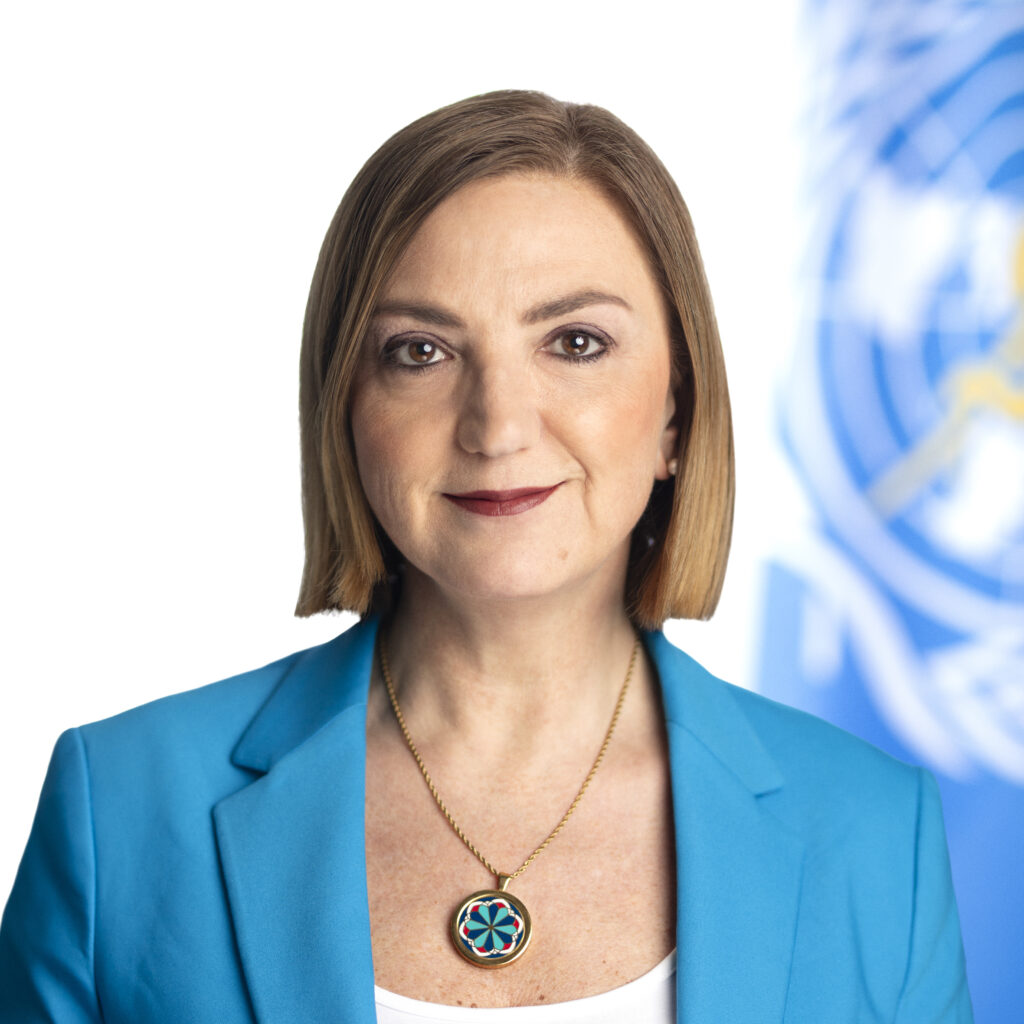
Director, Division of Health Systems, World Health Organization/Europe
Dr Natasha Azzopardi-Muscat is Director of the Division of Health Systems at WHO/Europe. She joined WHO/Europe in 2020 as Director of the Division of Country Health Policies and Systems. A medical doctor and specialist in public health medicine, she previously held senior roles in Malta’s Ministry of Health, including Chief Medical Officer. She is a former President of EUPHA and has contributed extensively to European health policy and research. She holds a PhD from Maastricht University and is an associate professor at the University of Malta. Her work has been recognized with the Andrija Stampar Medal and a UK Honorary Fellowship.
Dorte Bech Vizard

Deputy Permanent Secretary, Ministry of the Interior and Health of Denmark
Dorte Bech Vizard currently serves as Deputy Permanent Secretary at the Ministry of the Interior and Health of Denmark, responsible for Patient Safety, Life Science and International Cooperation – a position she has held since May 2021. Prior to this appointment, Dorte was Director of the Government’s Taskforce for Export Promotion and Job Creation in light of COVID-19.
With a Master of Law from 1998, Dorte has had several roles within the Ministry of Foreign Affairs including as the Ambassador of Denmark to Singapore and Brunei, Director of Invest in Denmark, and Political Counsellor at the Royal Danish Embassy in New Delhi.
She has also worked with the Ministry of Social Affairs of Denmark as Head of Department for Legal and International Affairs, and in the private sector with Deloitte Business Consulting. In 2013, Dorte was awarded the Order of Dannebrog, a Danish knighthood. She is married and has two children.
Enrique Bernal-Delgado
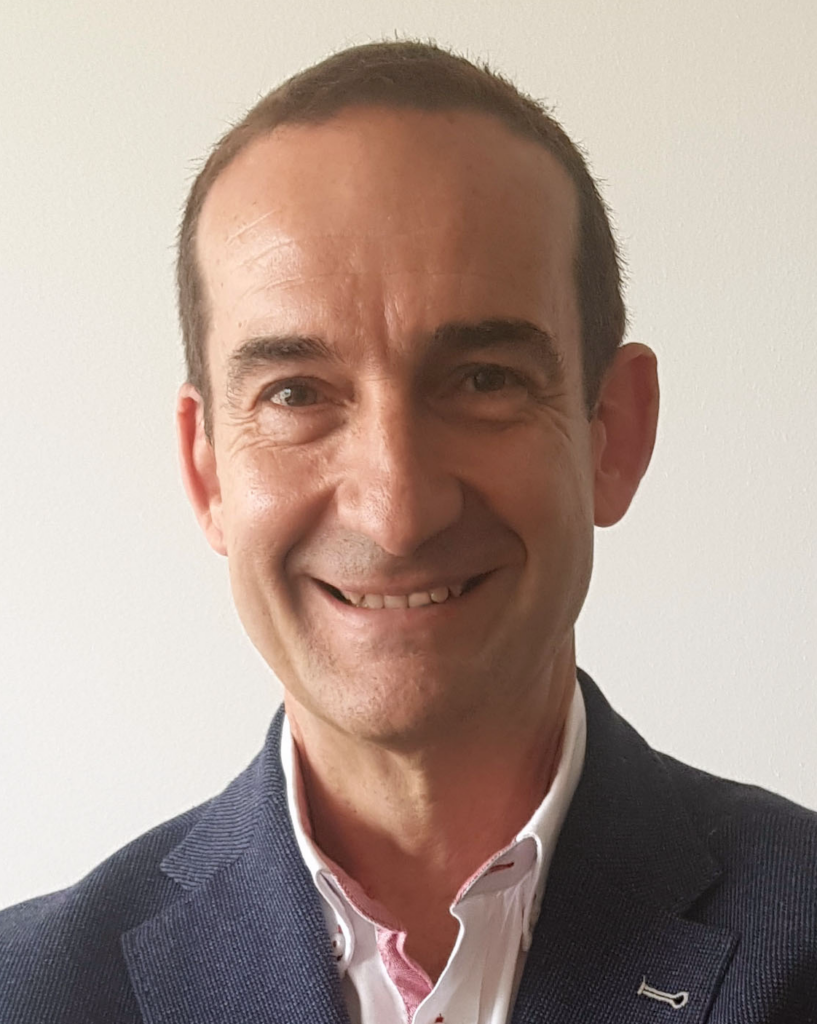
Senior Scientist, Institute for Health Sciences in Aragon (IACS), Spain
Enrique Bernal-Delgado, MD, PhD, MPH, MScHE, founded the Data Science for Health Services and Policy research group at the Institute for Health Sciences in Aragon (IACS) in 2003; and, currently holds the position of senior scientist there. His research focuses on the reuse of massive real-world routine data.
In the TEHDAS Joint Action, he was involved in conceptualising the European Health Data Space for secondary use. From January 2024, he leads QUANTUM, a European project aiming to develop a data quality and utility labelling mechanism for HealtData@EU datasets.
Szymon Bielecki
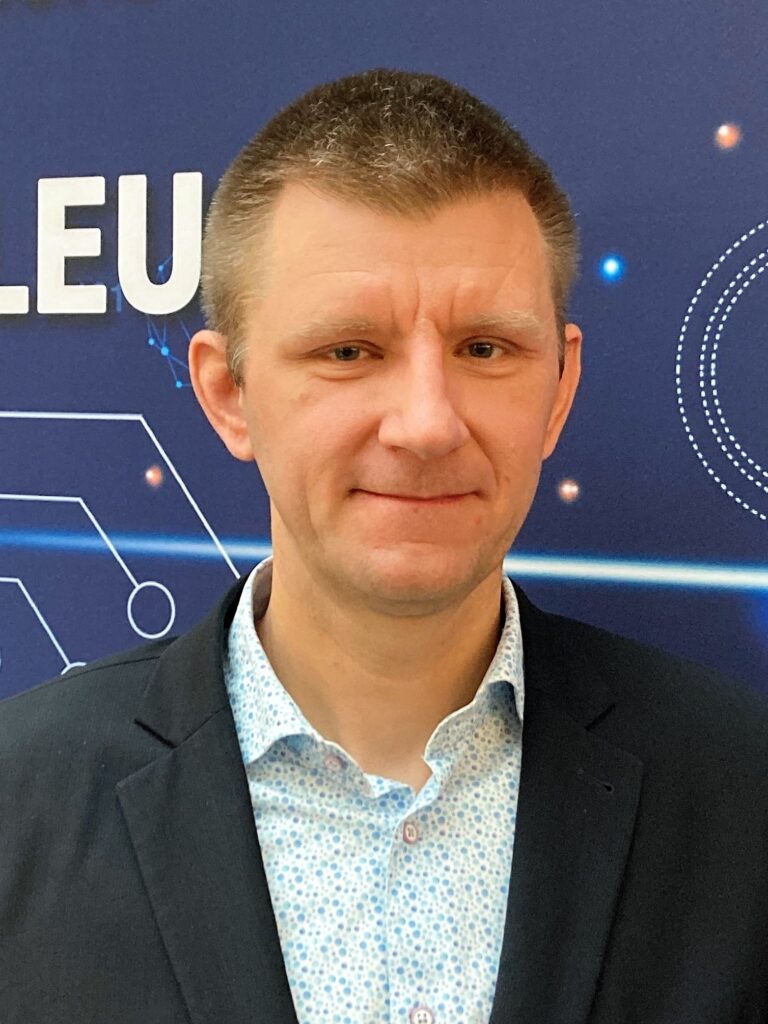
Head of Sector – Research Coordination, European Commission, DG Communications Networks, Content and Technology (CNECT), A6: AI in health and life sciences
Szymon Bielecki is Head of Sector in the digital health unit at the European Commission’s Directorate-General for Communications Networks, Content and Technology (DG CNECT). He works on the design and implementation of actions relevant for driving EU’s excellency in the area of AI in the health sector. Among others, he supervises the establishment of health data infrastructures for research, innovation, personalised medicine and public health under Digital Europe and other funding schemes, the European 1+ Million Genomes initiative and other actions fostering health data re-use.
Pia Brinkmann

PhD, Data Scientist, BfArM (The Federal Institute for Drugs and Medical Devices) (DE)
Pia Brinkmann studied Psychology at Maastricht University (NL), followed by a Research Master in Cognitive and Clinical Neuroscience. She continued her research journey at Maastricht University, after stops in Spain and Canada to learn more about the brain. She obtained a doctorate stipend from the German Academic Scholarship Foundation and started her PhD on auditory neuroscience in 2020, which she successfully defended in 2024. Afterwards, she started working at the Federal Institute for Drugs and Medical Devices (BfArM) and currently at the Data Access and Coordination Office, where she is actively involved in TEHDAS2 WP7, tasks 7.2 and 7.5.
Niklas Blomberg
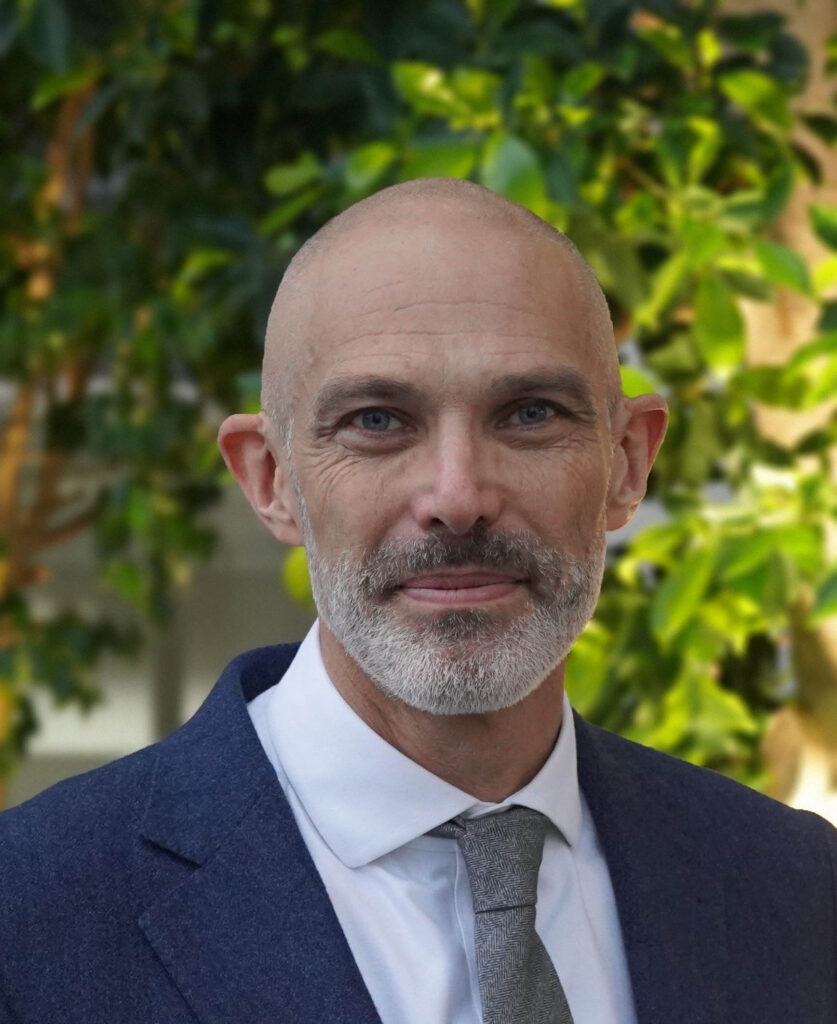
Executive Director, Innovative Health Initiative
Dr Niklas Blomberg joined IHI as Executive Director in January 2024. He brings to the role extensive experience in both research and leadership roles in the life sciences.
A Swedish national, he has a bachelor’s degree in chemistry from the University of Gothenburg, and a PhD in structural biology and bioinformatics from the European Molecular Biology Laboratory (EMBL) in Germany.
He worked as a research scientist for AstraZeneca in Sweden for 14 years, taking on increasingly senior roles in the company, and leading the establishment of a team for data driven drug discovery in the respiratory and inflammation fields. During this time, he was industry co-lead of Open PHACTS, a project funded by the Innovative Medicines Initiative (IMI), the forerunner to IHI.
In 2013, he joined the fledgling research infrastructure ELIXIR. As its founding director, he oversaw the final negotiations between the member states to formally establish and launch ELIXIR. Under his leadership, the organisation built up its operational and project management capacity, grew to include 23 member states, and secured funding from both the member states and an extensive portfolio of EU-funded projects, including projects from IMI2, the European Open Science Cloud and the European Genomic Data Infrastructure.
Montse Daban
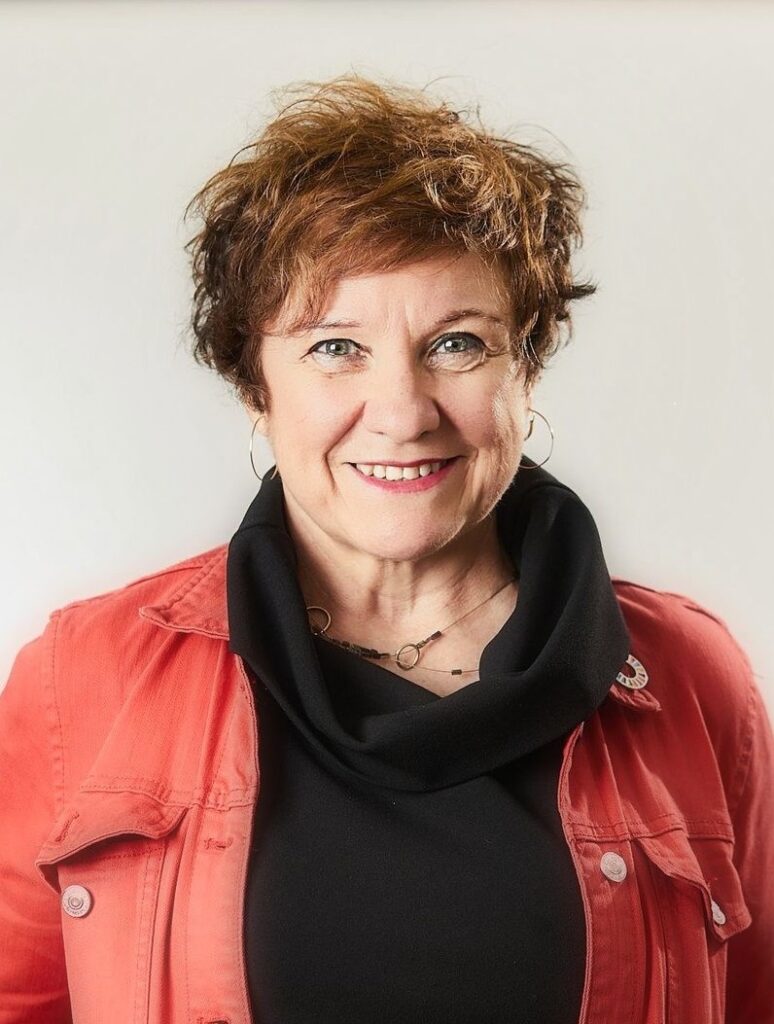
Director of Strategic Foresight and International Relations, Biocat – BioRegion of Catalonia; President, Council of European BioRegions
PhD Molecular Biology, MSc Medical Communication, MA Diplomacy & International Affairs. Director of Strategic Foresight and International Relations at Biocat, President of the Council of European BioRegions (CEBR), Member of the Board of Directors, European Clusters Alliance (ECA), Member of the Joint Industrial Cooperation Forum, Health Emergency and Preparedness Agency (HERA), EIT Health Innostars mentor, Member of the Expert Committee for AI/Health Program (Government of Catalonia). Member of the Expert Committee for the National Agreement for health System Transformation (Government of Catalonia), 2024. National Expert Horizon Europe, Cluster Health Program Committee (2020-2022). Montse’s interests: Innovation Ecosystems, Digitalisation, Policy, Internationalisation, Gender.
Ann Gustafsson

Program Officer and International Coordinator, The Swedish e-Health Agency
Ann Gustafsson is an experienced Occupational therapist with a long background in neurorehabilitation, at the Rehabilitation Medicine Clinic at Danderyd Hospital. During the time there, Ann contributed to the development of the innovative pre-discharge unit, @home a safe and supportive living environment with assistive technologies and reminder systems for individuals with brain injuries.
After that, Ann worked at the IT company Alleato as a Product Owner and Business Area Manager, which focused on developing remote monitoring solutions using IoT technologies, enabling individuals to receive care and support in their own homes.
In the past five years, Ann has been employed at the Swedish eHealth Agency (eHälsomyndigheten) as a Program officer and International Coordinator. Currently, Ann serves as Task Lead in the TEHDAS 2 project preparing for implementation of European Health Data Space, responsible for Tasks 5.2.1 and 5.2.2. which focusing on health data discovery.
Rosa Juuti

Senior Specialist, Finnish Social and Health Data Permit Authority Findata
Rosa Juuti holds a Master of Science degree from University of Tampere, majoring in molecular biology with a focus on genetics, immunology and pharmacology. She has worked at EPID Research and StatFinn (nowadays part of IQVIA) as a research associate and project manager on various pharmacoepidemiological and post-authorization safety studies, sponsored by major international pharma companies. Since 2020 she has worked at Findata, the Finnish Social and Health Data Permit Authority as a senior specialist, participating in building Findata’s services as well as processing applications and granting data permits. Currently, she leads the task 6.3 of the TEHDAS2 joint action.
Alexander Leander Knudsen

Head of Section, Danish Health Data Authority
Alexander Leander Knudsen is Head of Section at the Danish Health Data Authority, where he works on the implementation of the European Health Data Space (EHDS) in Denmark. His responsibilities include conducting gap analyses and economic analyses to ensure the effective national integration of EHDS.
Licínio Kustra Mano
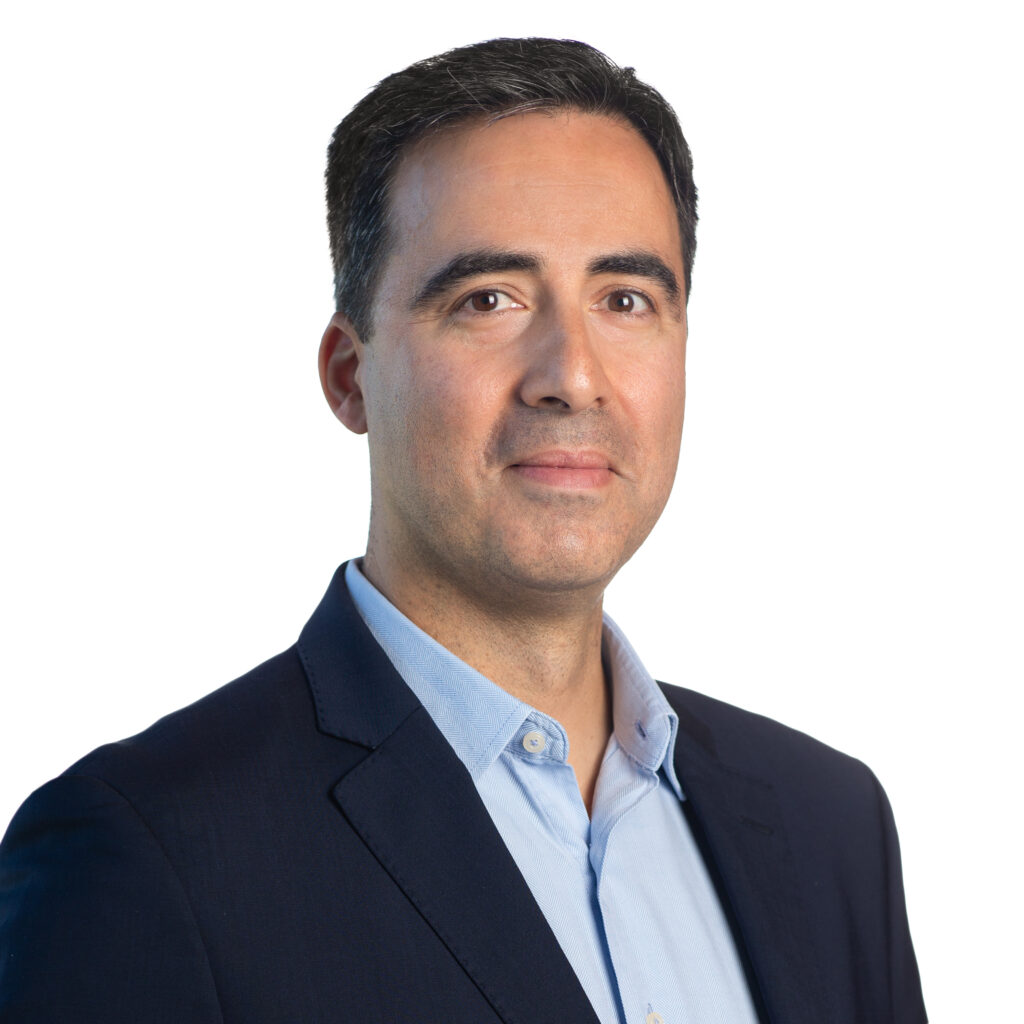
Customer Relations for Europe, SNOMED International
Licínio Kustra Mano is the Customer Relations Lead for Europe at SNOMED International, where he focuses on advancing the adoption of SNOMED CT across European healthcare systems. With a background in digital health policy and cross-border infrastructure architecture, he previously contributed to the European Commission’s initiatives on the European Health Data Space.
Licínio is passionate about ensuring that health data remains comprehensible, accessible, and useful for generations to come.
Heikki Lehväslaiho

Senior Application Specialist, CSC – IT Center for Science
Heikki Lehväslaiho works as a service architect for sensitive data services at CSC – IT Center for Science, Finland. He is adjunct professor of molecular genetics at Helsinki University. He has worked on biomedical bioinformatics research and infrastructure projects on three continents.
Peter Munch Jensen

Head of Department, Danish Health Data Authority
Peter Munch Jensen is head of the department called “Strategy and Development” at the Danish Health Data Authority. He has been working at the Danish Health Data Authority since 2016 and been Head of Department since 2020. Peter Munch Jensen has previously been employed in the Ministry of the Interior and Health for 8 years. Strategy and Development works with international cooperation, including tasks related to the Danish implementation of European Health Data Space.
Rob Schubert

Advisor, Nictiz
Rob Schubert is an Advisor at Nictiz, specializing in secondary data use and AI. He is actively involved in European projects such as TEHDAS2 and Xt-EHR, contributing to the development of cross-border health data infrastructures. With a background in AI and digital health start-ups working with clinical data, Rob brings hands-on innovation experience to the policy and implementation level.
Radovan Tomášik

Consultant, Ministry of Health of the CzechRepublic
Radovan Tomášik is a Software Engineer at BBMRI-ERIC, where he plays a key role in developing an open source Access Management System. He is also pursuing a PhD focused on data quality in federated environments. With over five years of experience working with HL7 FHIR, Radovan contributes to advancing healthcare interoperability standards as a member of HL7 CZ.
Lucrezia Valieri

Legal Officer, Italian Ministry of Health
Lucrezia Valieri is a legal officer for the Department of Health information systems and digital innovation in healthcare at the Italian Ministry of Health.
She provides legal support for the promotion of the Italian and European digital system in the health sector; she actively participated to the Council working group for the writing of the Regulation on the European Health Data Space; now with her collegue Maya Bucciarelli she has been responsible for the writing of the guidelines on penalties for non-compliance related to the EHDS regulation.
Päivi Östling
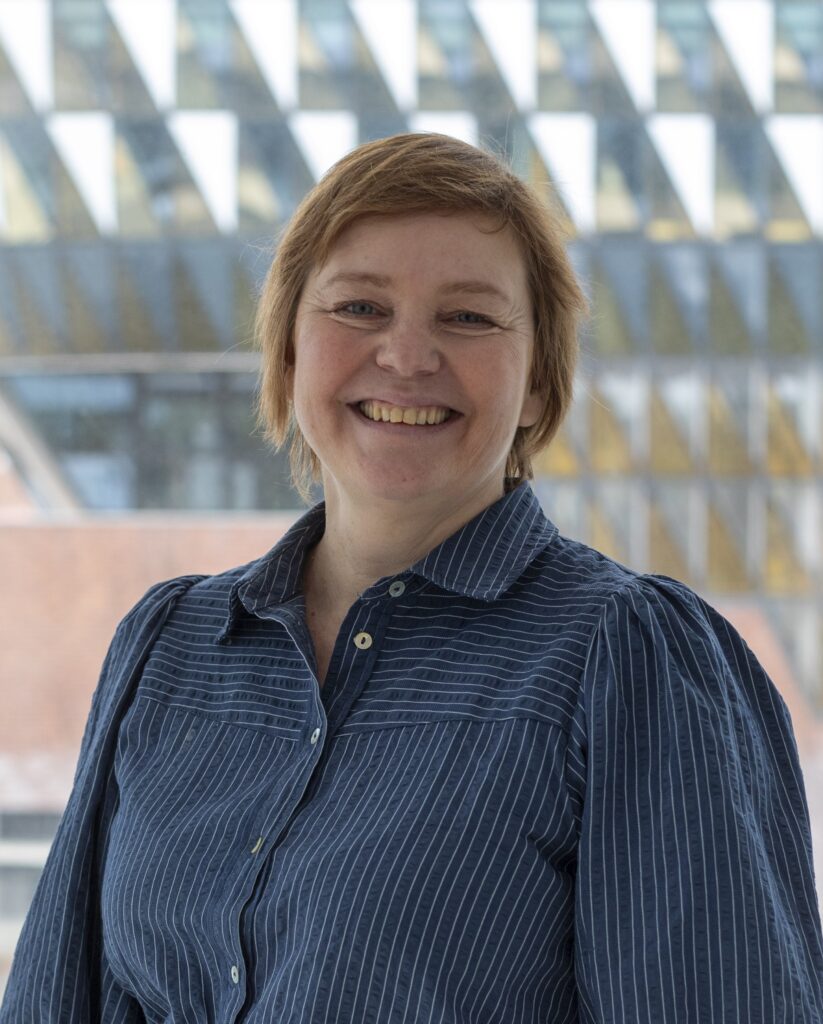
Principal Researcher, Science for Life Laboratory
Päivi Östling, Associate Professor, has extensive research experience in precision cancer medicine (PCM) and established a functional precision medicine (fPM) platform at SciLifeLab, Karolinska Institutet. The research team generates individualized drug profiles for solid and hematological cancers. She has been the Scientific Lead of Precision Medicine at SciLifeLab, she aims to enable next-generation precision medicine infrastructure. She is part of the Swedish node for the European DIGITAL-project TEF-Health, supporting Health AI providers. Päivi holds key positions in Swedish Life Science, including SWELife, Cancer Research KI, and Genomic Medicine Sweden. Her research and leadership roles provide valuable insights into precision medicine, health data, and AI.
Share away!